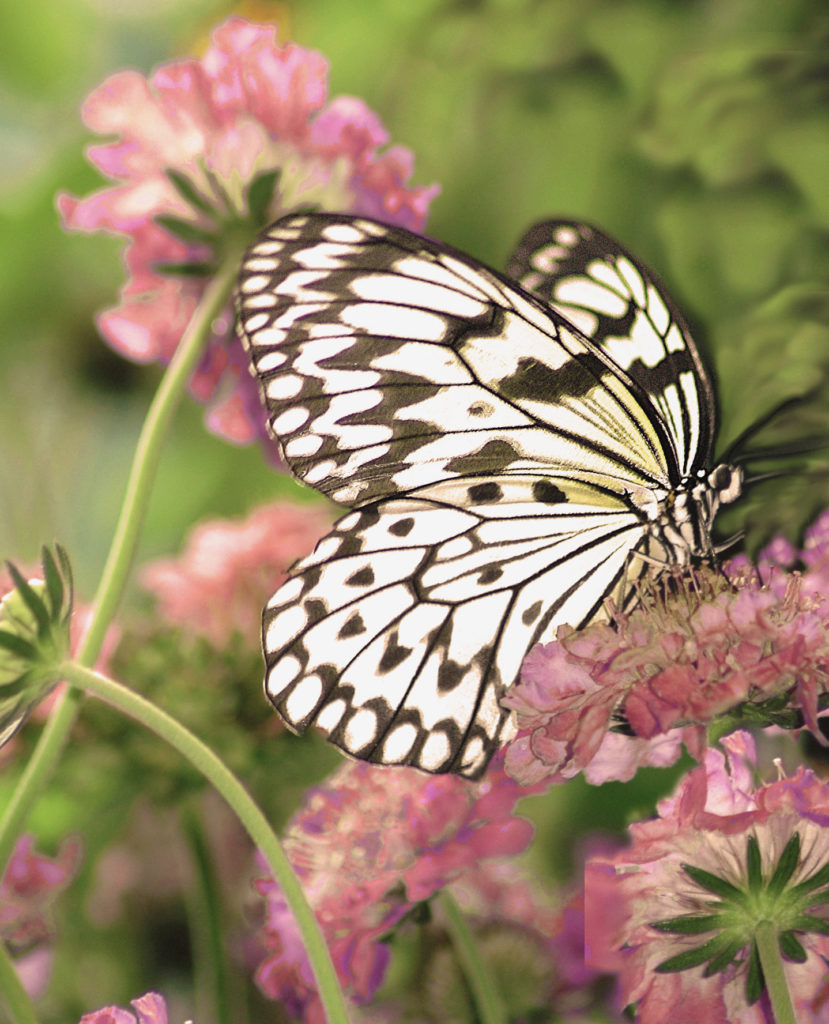
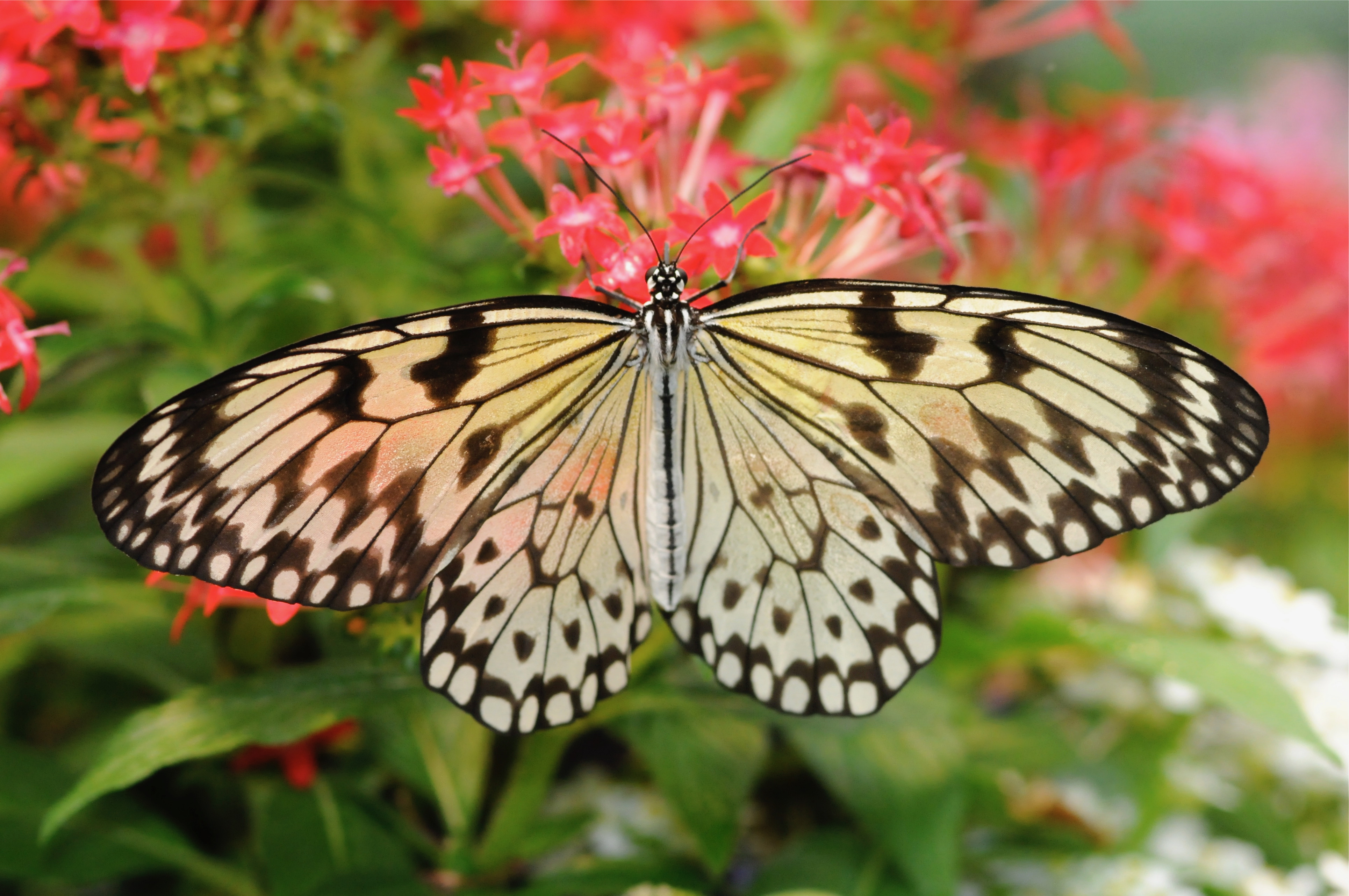
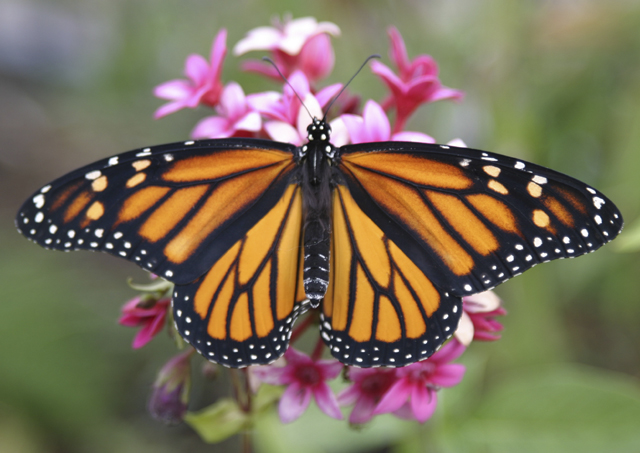
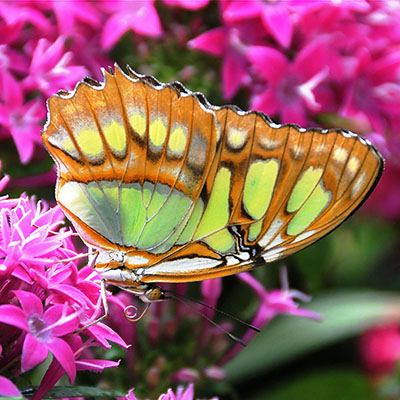
Butterflies are a breath of beauty fluttering by, they are mystery
chronicled upon wing, they bring forth the grace and wonder of this world to
our eyes everyday ~K. D’Angelo
How to Photograph Butterflies
Capturing the Beauty of Butterflies
Delight in your Subject!
As you set out to photograph butterflies, whether it is in your own backyard
or out in the field, the number one rule to remember is that there are no rules,
save to enjoy yourself and to delight in your subject!
More important than any equipment, setting or technique is the photographer’s
desire to capture and share their passion for nature. The best images are those
which reflect the beauty that the eye of the photographer sees.
Butterflies,
by their very nature, can engage us both visually and emotionally. As we seek
to photograph these flying flowers, it is important to remember that the very
characteristics that can make them challenging to shoot are the same ones we
are so mesmerized by.
When embarking on your photographic adventure, it is essential to pack not
only the proper camera gear, but to also be equipped with a positive attitude.
Take with you just a bit of patience and the goal of spending some time playing
intimately with the butterflies and I promise you will not be disappointed.
Who,
What, Where?
Depending on the experience that one wants to have, from your own back yard,
to a wilderness park or even in a man-made pavilion, there are many different
places where butterflies can be found and photographed.
Enclosed butterfly houses are literally popping up all over the country. They
are a great place to go if you want to try out new equipment or practice your
photography techniques. Often, they are climate controlled and one will most
certainly encounter a variety of species upon each visit.
Many
common butterflies can also be seen right in your own garden, especially if
you are a butterfly gardener. Begin to scan and survey your community and you
will find butterflies everywhere; at parks, along roadsides, in clearings or
anywhere nectar plants are readily available.
Planning an outing to a nearby preserve or other wildlife sanctuary can be
advantageous if you are seeking to come across more uncommon butterflies or
if you just feel like venturing out of your local neighborhood for a quiet
communing with Mother Nature.
The
North American Butterfly Association (NABA) is a membership based non-profit
organization, which works to increase public enjoyment and conservation of
butterflies. Becoming a member of your local chapter and going on field trips
can be fun and informative. Often, other participants have knowledge of where
the more rare species in your area can be found and excursions are usually
planned to such places. Be sure to bring your camera, as many indigenous butterflies
will not settle in developed areas. They prefer to be near their native host
and nectar plants, which are typically not cultivated in urban communities.
When?
The optimal time and setting for butterfly photography is a personal decision
based upon the objectives of the individual photographer, although, Mother
Nature’s whims often come into play too!
If you are an early riser and in the mood for a good scavenger hunt, then
you may want to venture out with the sun as it climbs the morning sky. The
lighting at this time of day is unique and often lends itself to more dramatic
shadowing of subjects. Also, because of the cooler conditions, butterflies
can often be found resting motionless in the morning dew. Skilled huntsmen
will be rewarded for their perseverance, as they discover cloaked species of
butterflies, found in varying stages of metamorphosis, hiding out amongst the
camouflaging trees, branches and other crevices provided by the natural terrain.
As the sun continues its ascent, temperatures soar, awakening and providing
butterflies with the warmth they need to fly. By high noon, the landscape is
top lit and all a-flutter with busy frequent fliers. Often, butterflies linger
near popular nectar sources and host plants, which attract others of their
kind. Find one of these hot spots and you may easily find yourself lost in
the treasures of creation, experiencing the genuine joys of photography.
You are on nature’s clock now, so, it is only when the suns rays begin
to slip closer to the horizon and the white light of mid day turns, that you
become aware of the hour. Butterflies are also mindful of this subtle timepiece
and of the changing temperatures that chime in with it. Try if you can to catch
an image of a butterfly dancing with the soft yellow hues of the late afternoon,
for, by dusk, they will all have returned to the safety of their nighttime
havens.
How?
Highlighted below are some basic guidelines, which you may find helpful to
use when attempting to photograph butterflies. Keep in mind, however, that
more important than any technical knowledge is ones ability to pictorially
capture their personal experience with nature through their camera lens. Explore
unique perspectives, let your passion for your subject and your creative visions
drive your photography and you cannot go wrong.
Approaching Butterflies
Know Your Subject:
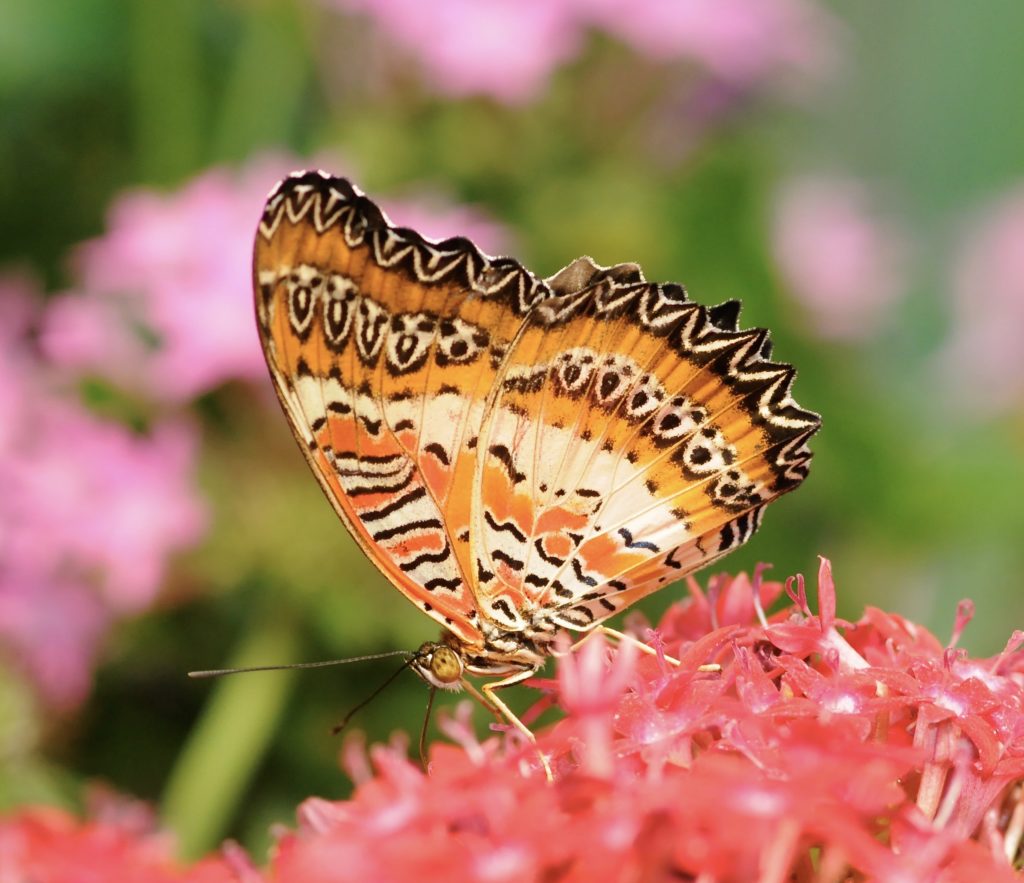
Flying Flowers are certainly not as easy to photograph as static ones, however,
when the mission is accomplished, the rewards can be great. Pick up a field
guide to butterflies and/or a book on butterfly lifecycle to further acquaint
yourself with their world. Learn about their preferred host and nectar plants,
study their behaviors and become familiar with their favorite hot spots. Remember,
your goal is to have fun interacting with butterflies and getting to know them
Slow & Sly:
Some butterflies are more approachable than others. Depending on the species,
a sudden movement may be of no consequence to one, but may startle another,
causing it to fly off promptly. In either case, if you think you have the time,
survey the situation first before approaching the subject. Choose an angle
you want to shoot from, consider the lighting and also determine where your
shadow will fall. Notice the surrounding foliage and determine whether stepping
upon it could be disturbing to your subject as you approach. Also, it is prudent
to always advance slowly, despite a butterfly’s tendency to be skittish
or not.
Shoot
Away before it Flies Away:
Butterflies, just like people, have definite personalities. Some are more
friendly, often becoming used to or even interested in you, while, others will
be more disturbed by your photographic efforts. If it is possible to, get some
test shots of your butterfly, then, if you are happy with the settings, shoot
away before it flies away! Take as many pictures as you can while your subject
is still and in focus. Be sure to capture images of your butterfly from several
different angles and remember to be creative in your perspectives.
Composition
Focusing:
Using either manual or auto focus will work when shooting butterflies, which
to use is entirely up to the photographer. Regardless of the method chosen,
to ensure that the butterfly’s torso and wings will be in focus keep
your camera parallel to butterfly’s body. You will only have one plane
of complete sharpness and this technique should help you get the result you
want.
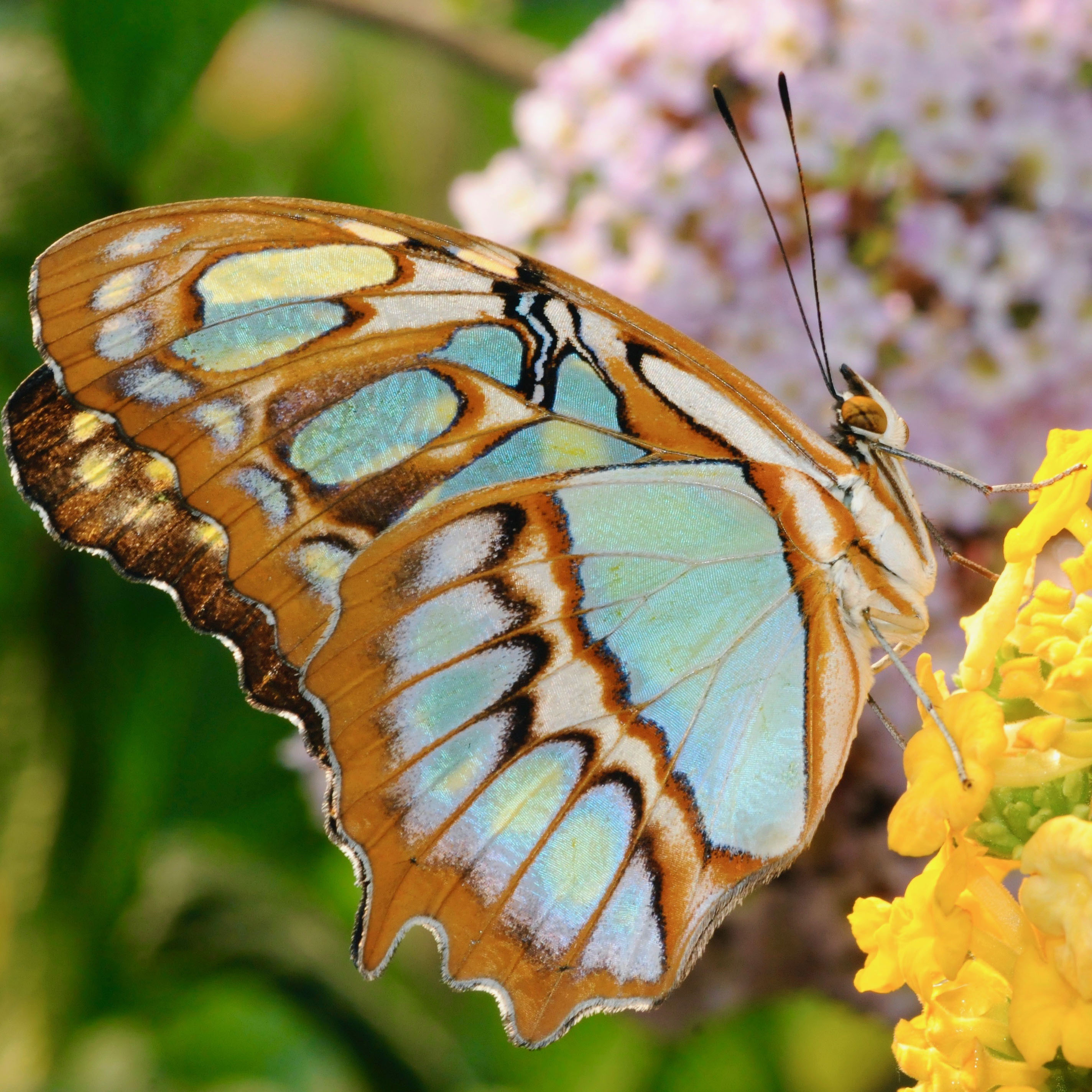
Positioning & Background:
Evaluate your subject through your lens and be aware of the background that
you are shooting. Does it contain distractions such as bright spots, weeds,
sticks or dead flowers that you want to avoid? Or could the background actually
enhance your picture somehow, and if so, how can you move so that it is more
complimentary to your composition? You may find yourself having sit, stand,
squat or even lie upon the ground to accomplish getting the appropriate angle
for the shot you want.
Tools
Camera:
Many types of cameras can be used to shoot butterflies. The most common type
used is a Single-Lens Reflex (or SLR) digital camera. These are widely available
in many different price ranges, but all work well for photographing butterflies.
A simple point and shoot can also do the job if that is what you have on hand.
Lenses:
Several lenses also work effectively to enhance your photography. Macros (designed
for close-ups 100mm) and telephotos (designed to capture far away subjects
75mm-200mm) are among the most commonly used. Which is chosen, again, depends
on the place, subject and desire of the photographer. Extension tubes and teleconverters
are also used in conjunction with various lenses to achieve desired effects.
Lighting & Flash:
To flash or not to flash? That is the question! As is most often the case
in photography, whether to use a flash or not, is up the individual photographer.
Again, it depends on the subject, location and desire of the photographer.
Just note, that using or not using a flash will dramatically affect the outcome
of the photo. Regardless of which method chosen, it is prudent to take some
test shots to make sure that the image is not being over or under exposed.
Not enough light can make an image dull and dark, where as to strong of a flash
can cause an over exposure and/or harsh shadows. When opting for a flash, to
gain more control over the lighting, you may want to over-ride the flash’s
auto exposure mode and set it to release precisely the amount of flash desired.
Tripod:
Tripods are good to use in butterfly photography if you are shooting a still
subject, such as chrysalis, with macro lens, but can otherwise be cumbersome
to carry around, especially while chasing butterflies.
Accessories:
Ring lights (for use with macro lenses) and brackets (which raise the flash
slightly above the camera) are often used to aid in lighting and enhance images.
Aperture f16 is a good setting if your using a macro lens and the light is
optimal and the subject is still. ISO is commonly set to around 400 but if you
want to capture a butterfly in flight you may want to increase the shutter
speed by adjusting the ISO to around 800.
General Photography
Tips
Build on your technical skills by taking classes online or at a local camera
store and read books which will enhance your knowledge of photography. Learn
about and acquire computer programs such as Adobe Photoshop, which can aid
you in editing and fine tuning your images. Get out in the field often. Go
with people who are fun, inspiring and can enhance your knowledge and appreciation
of nature and photography. Above all, make sure to enjoy yourself and delight
in your subject!

Enjoy Photographing Butterflies!
There are over 2,700 butterfly species, which live in or pass through North
America. Unpredictable and free as the winds on which they are carried, these
butterflies’ behaviors cannot be anticipated. So when you embark on your
trek, whenever or wherever it is, remember that you are there to experience
and record the amazing wonders of the natural world. Enjoy, capture and share
its beautiful and untamed diversity and you will have achieved successful photography.
K. D'Angelo
Butterflies are a breath of beauty fluttering by, they are mystery
chronicled upon wing, they bring forth the grace and wonder of this world to
our eyes everyday ~K. D’Angelo