Nevermore will a Flying Flower drift by you unnoticed
~K. D’Angelo
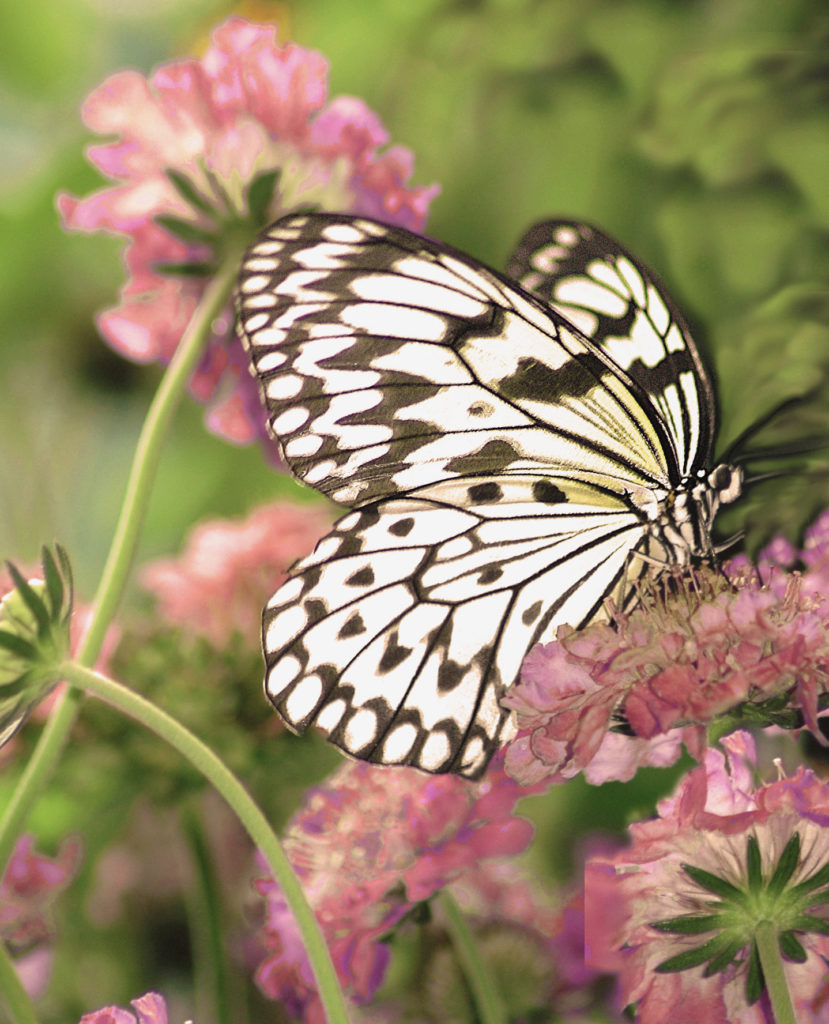
 Embracing Change
Soaring Free
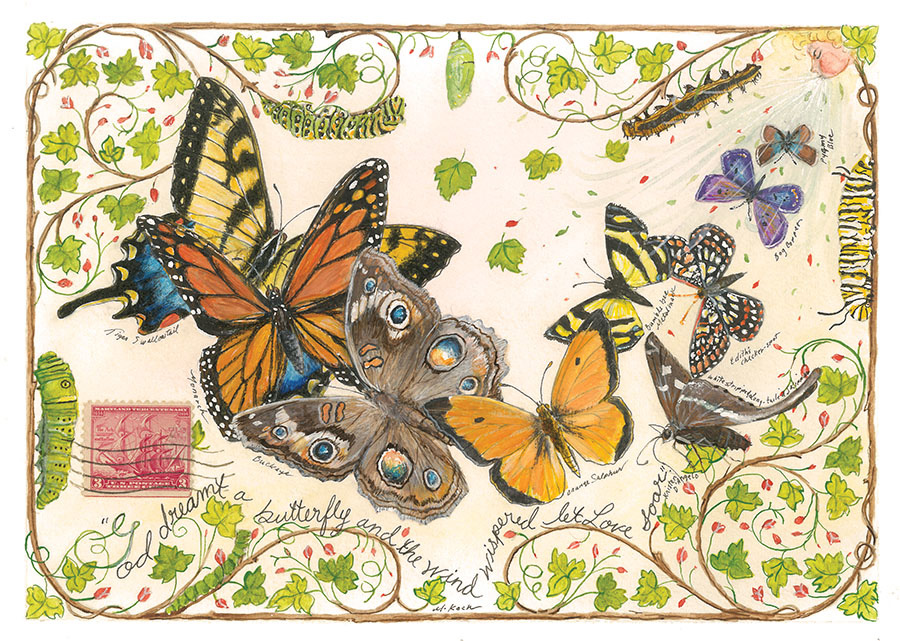
Obsession with Butterflies has caught a Bright New Breeze. Join us as we soar compassion’s fair skies, flying high with Charity Underwing.
Partnering with CrossBreeze Charities we continue our mission of spreading an awareness of the beauty of butterflies & the need to support their natural habitats.
Through education, the building of butterflies gardens & more, we hope to lead many to be inspired by these enchanting & graceful flying flowers.


Learn
You see them flutter the summer fields, colorful winged beauties but did you know that there is no such thing as a baby butterfly? Do you know if butterflies can hear? How long they live? Which species is the largest? the smallest? Find these answers and so much more!
Create
Inspire like the lovely butterfly. Be patient. All good things come with time. Be open to change. Be willing to be transformed. Be light and free. Have some fun. Be spontaneous. Go wherever your wings take you. Be in the moment and create much joy along the way!
Give
Spring is a beautiful of the time of year where everything awakens and returns to life. Trees begin begin to bloom as the grass slowly turns to green. Birds return with their familiar song and butterflies emerge as wildflowers bloom. Spring is all about giving and you can be too!
Meditations on Butterflies: A New Coloring & Activity Journal
The Beauty of Metamorphosis
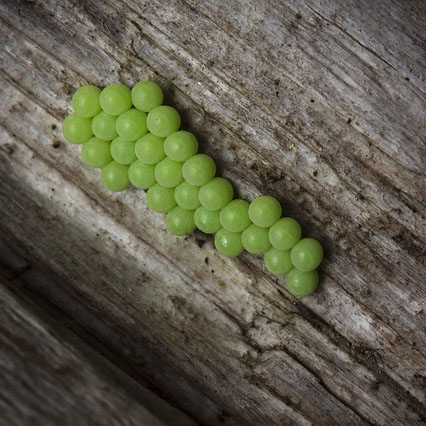
Egg
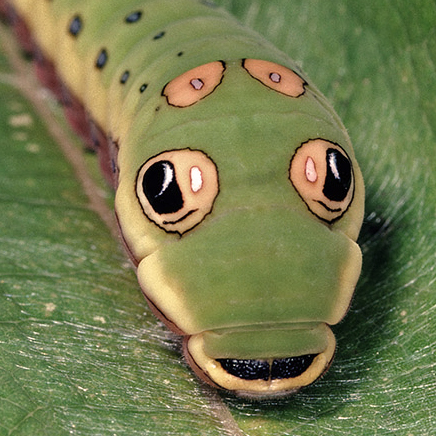
Caterpillar
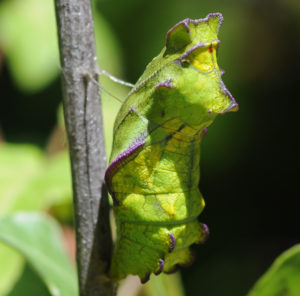
Chrysalis
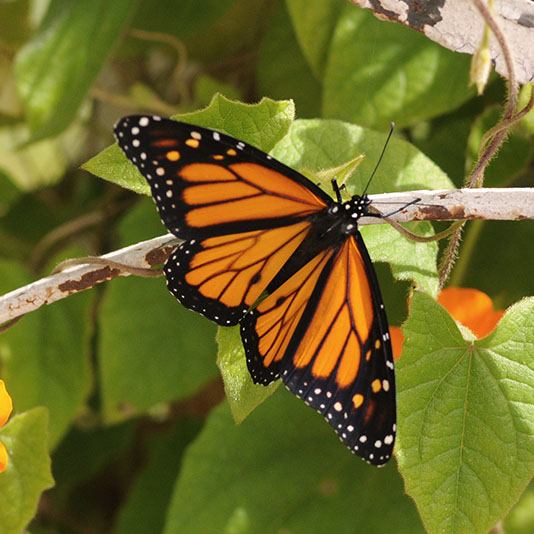
Butterfly
Shop Butterfly Gifts for CrossBreeze




Sweet Wings
Help Us Soar
Read me a bedtime story, Tuck me in tight
Sing me a Lullaby, An Angel’s Kiss Goodnight

Discover Butterfly Music Albums
Dreams of Sweet Lullaby Adventures
&
Kaledidoscope of Wings where Faith Brightly Sings
Shop these inspired butterfly gifts & more

Butterfly Dreams Realized
Shop Now… Give Wings to Hope
The Six Families of Butterflies

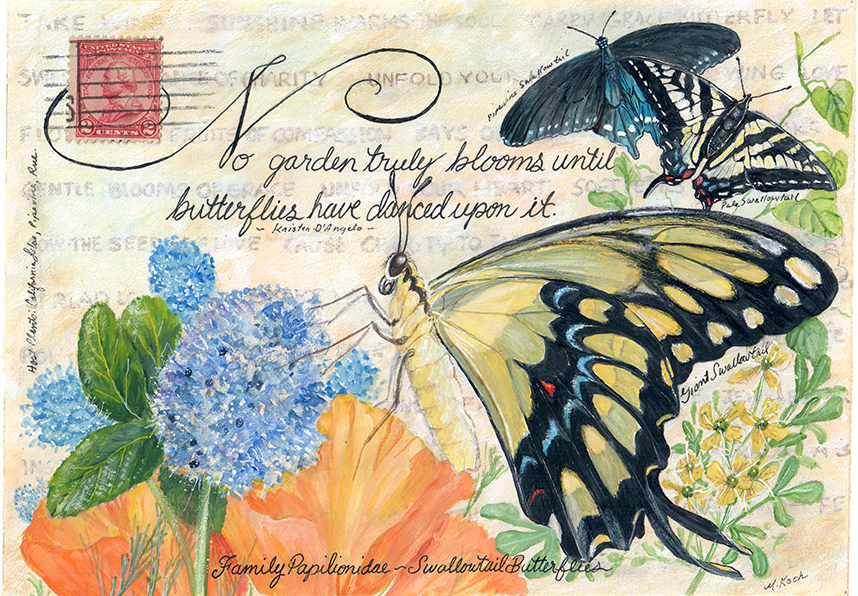
Swallowtail Butterflies (Family Papilionidae)
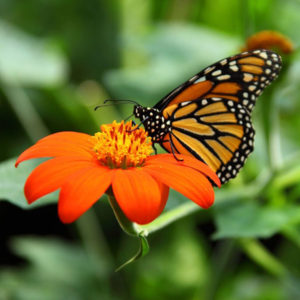
Brush-Footed Butterflies (Family Nymphalidae)
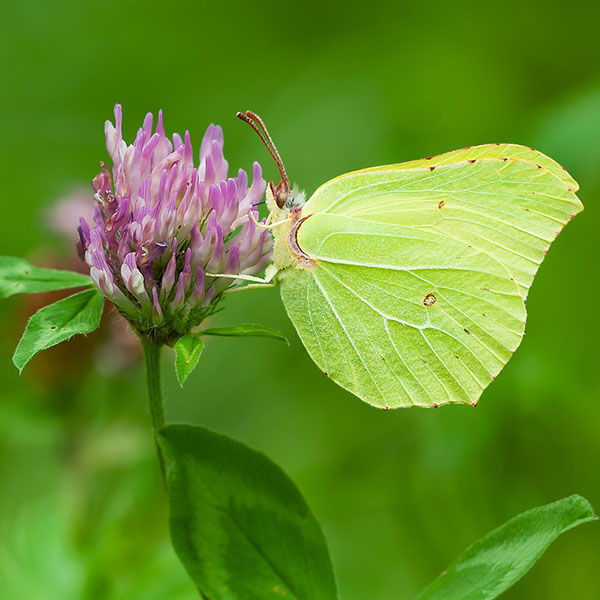
White & Sulphur Butterflies (Family Pieridae)

Gossamer-Winged Butterflies
(Family Lycaenidae)

Skipper Butterflies (Family Hesperiidae)

Metalmark Butterflies (Family Riodinidae)
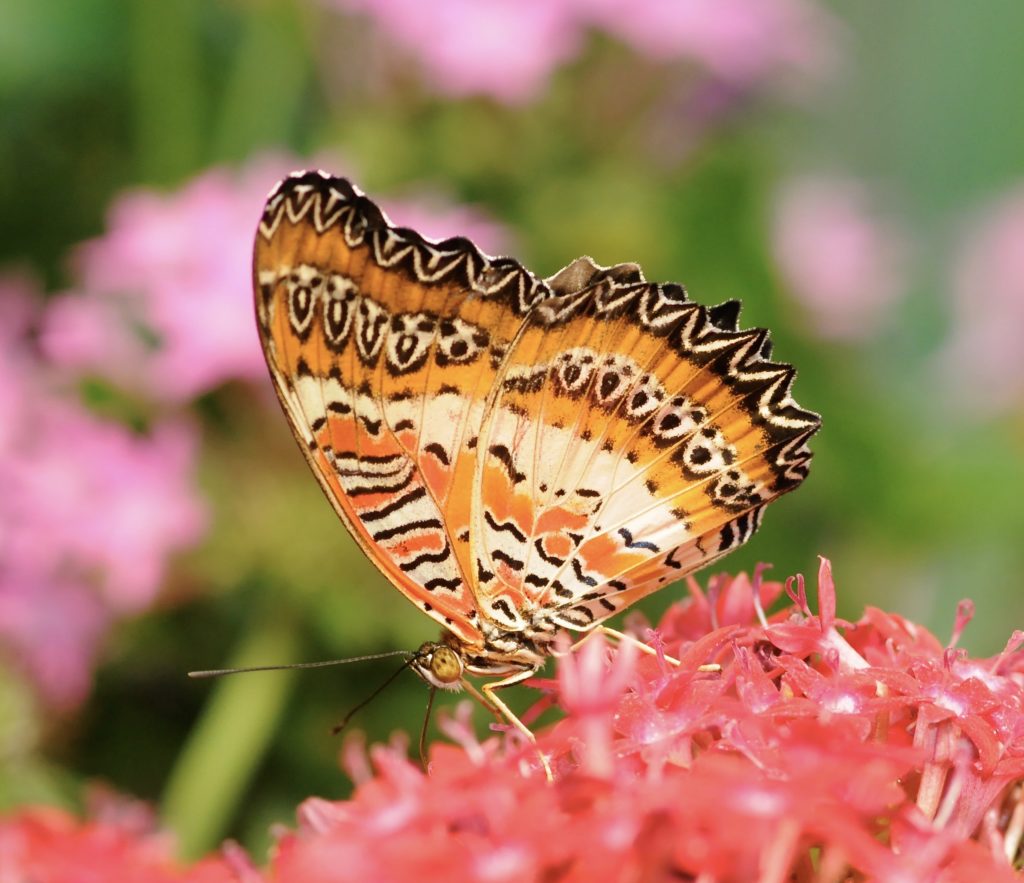
Butterfly
Quotes
Awaken to the universes simple gift of the butterfly. Watch with fascination and joy as a jeweled treasure glides by and gently touches your soul ~K. D’Angelo


Photographing
Butterflies
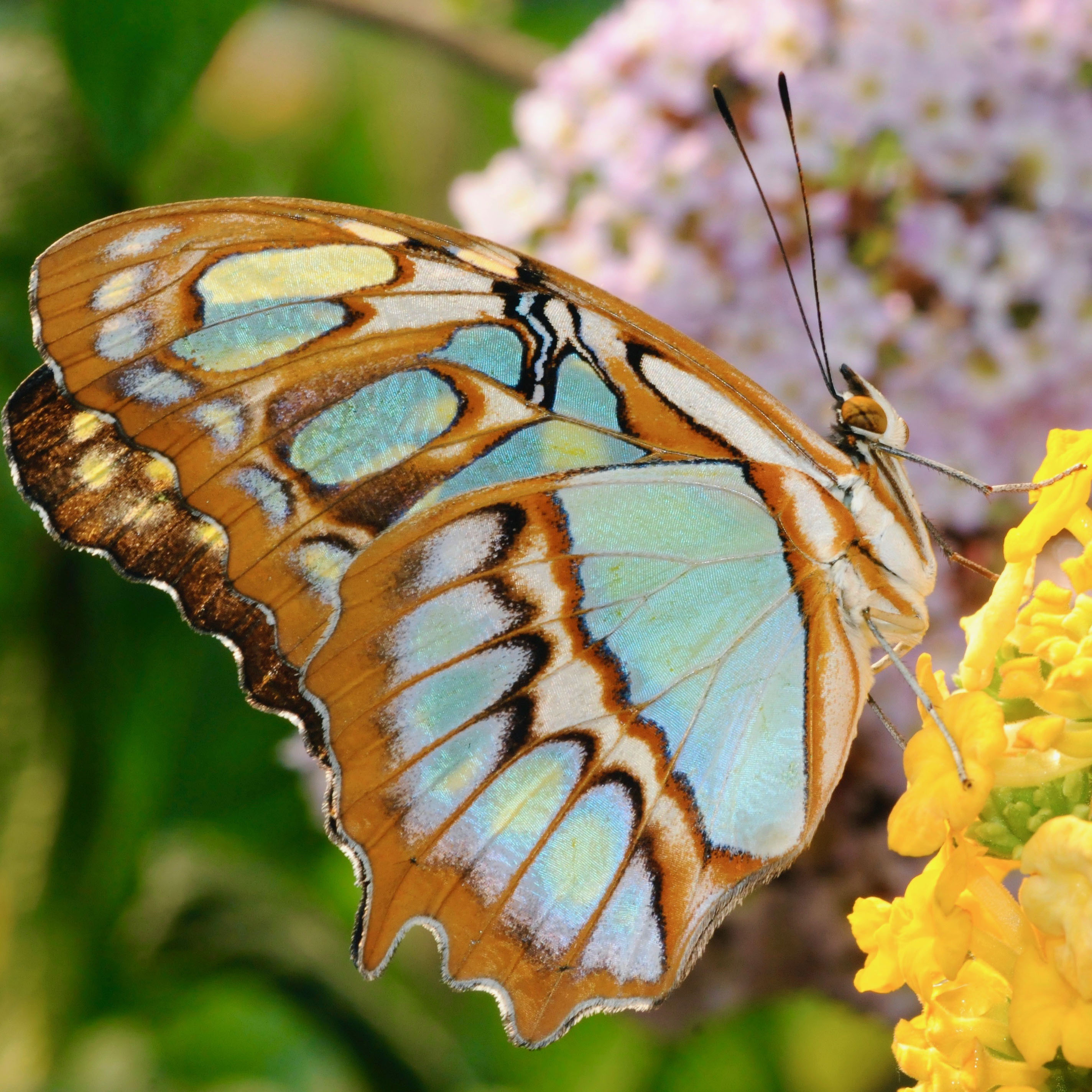
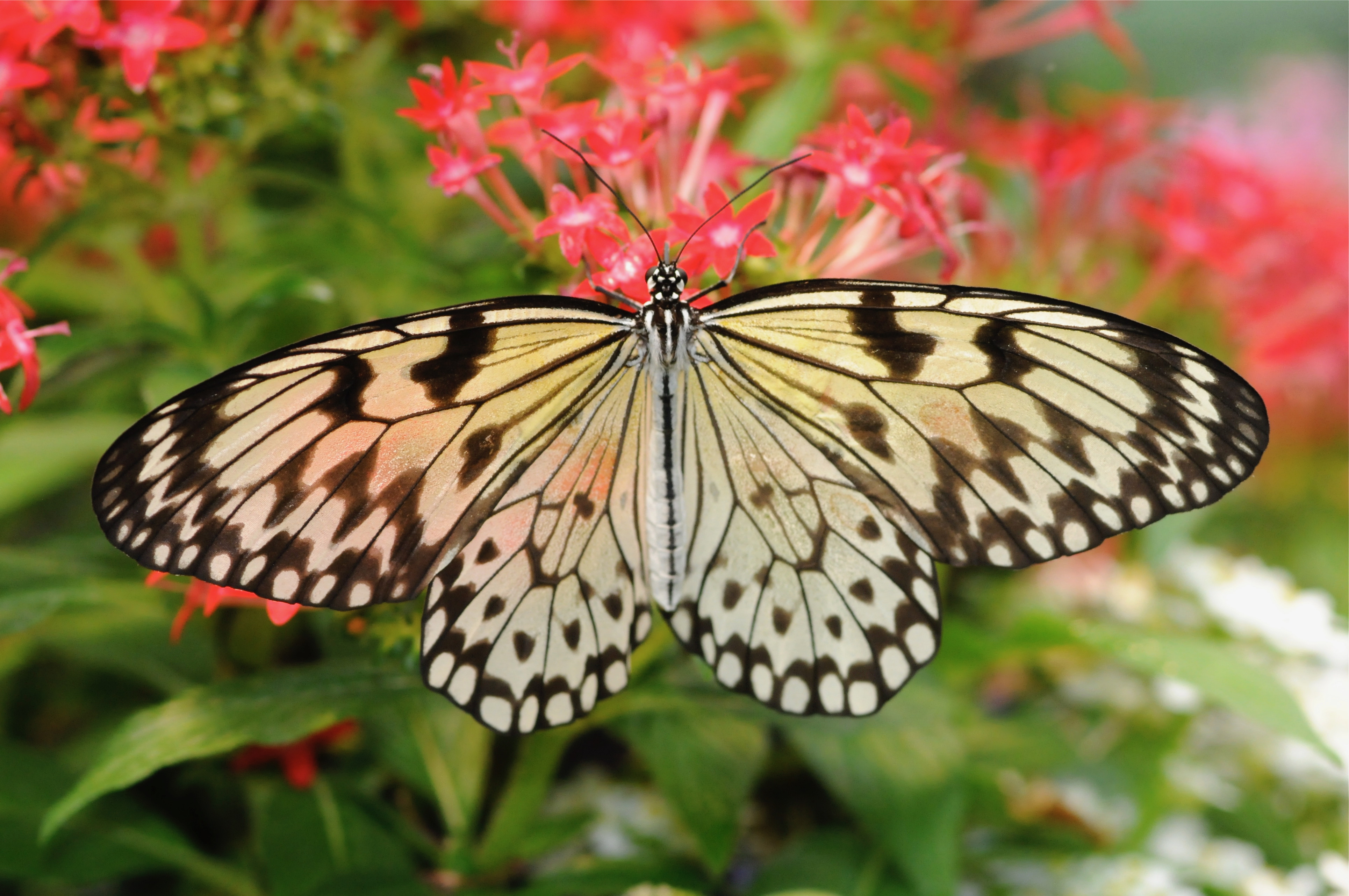
Interested in capturing these beauties so that you can enjoy them all year round? Get some tricks and tips to help you!


Our Sister Sites
—On a Breath of Grace—